

aquatic therapy foundation
Transforming Aquatic Access into Participation
ATF strengthens the professionals, organizations, and partnerships that make aquatic participation possible in the communities that need it most.
Who We Are
Aquatic Therapy Foundation is a 501(c)(3) nonprofit (EIN: 41-3326981) building the educational systems, workforce infrastructure, and institutional partnerships that make safe, inclusive aquatic participation possible — especially in communities that currently lack it. We don’t deliver clinical care. We build the capacity for others to deliver it well.
Aquatic Therapy Foundation holds Candid’s 2026 Platinum Seal of Transparency, Candid’s highest level of recognition for nonprofit transparency.
Our Mission
Aquatic Therapy Foundation expands safe, inclusive, and effective aquatic opportunities for people with disabilities, functional limitations, and other impairments across the lifespan by strengthening the professionals, organizations, and community partnerships that deliver them.
What We Do
ATF works at the systems level — not the clinical level. We develop workforce training pathways, educational frameworks, research translation resources, and institutional partnerships that help organizations build and sustain safe, life-changing aquatic participation.
Our model is designed to scale: one well-prepared professional can reach hundreds of participants, and one well-equipped organization can anchor an entire region.
2026-30 Initiatives
ATF’s 2026–2030 initiatives translate our workforce and education mission into targeted, time-limited programs. Each addresses a documented gap in aquatic opportunities for people with disabilities, functional limitations and other impairments across the lifespan.
- An East Tennessee Regional Workforce Capacity‑Building Initiative: Train‑the‑Trainer Model
Building scalable workforce pathways through coursework, simulated skills labs, mentorship, and implementation support so community-based professionals can transform access into participation for people with disabilities, functional limitations and other impairments. - Beyond the Lift™: Expanding Aquatic Access and Participation for Individuals with Functional Paralysis
Turning basic pool access into safe, supported, and meaningful aquatic participation through a joint effect between people with functional paralysis (SCI, CVA, MS, CP, etc) and their caregivers, trained aquatic professionals, and inclusive pools working together. - Beyond the Lift™: Expanding Aquatic Access and Participation for Individuals with Autism
Turning basic pool access into safe, supported, and meaningful aquatic participation through a joint effect between people with autism and their caregivers, trained aquatic professionals, and inclusive pools working together. - Pediatric Water Competence & Autism Initiative
To develop, validate, and disseminate a clinical framework that embeds foundational water-safety capacities into medically necessary aquatic therapy — so that children with disabilities, who face up to 40-fold increased drowning risk, leave therapy safer in water. - Cognition, Communication & Participation Initiative
Developing interdisciplinary educational resources that help providers use aquatic environments to support cognition, communication, sensory regulation, participation, and human performance. - Professional Standards & Credentialing Initiative
Developing foundational competency frameworks and credentialing pathways that help organizations identify, hire, and retain qualified aquatic therapy professionals. - Research Translation Initiative
Connecting the evidence base to practice by translating peer-reviewed aquatic research into accessible, practitioner-ready resources for clinicians, instructors, and program administrators. - Institutional Capacity Building Initiative
Supporting hospitals, rehabilitation centers, community organizations, and academic programs in building sustainable aquatic therapy infrastructure — from program design to policy development.
Why This Work Matters
More than 17 million Americans live with a physical disability that limits daily activity. For many, participation in aquatic opportunities offer outcomes that land-based care cannot — reduced pain, improved mobility, greater participation in daily and community life.
Yet true access is not determined by need. It is determined by whether a trained professional exists in that community, whether an organization has the infrastructure to support them, and whether the educational systems exist to prepare them. ATF addresses all three.
How ATF is Different
ATF does not provide clinical treatment. It builds the educational systems and workforce capacity that make high-quality aquatic opportunities possible. Aquatic Therapy Foundation builds the infrastructure in order to transform aquatic access into participation in the communities that need those opportunities most.
Meet Our CEO & Board President
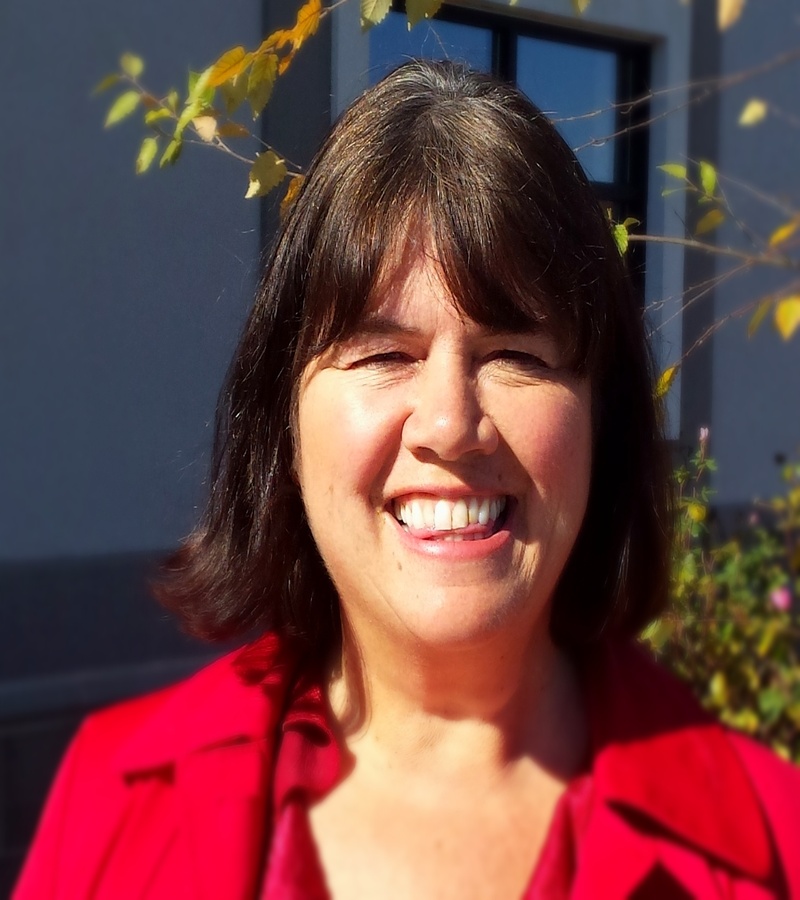
Andrea Salzman, MS, PT, Founder & CEO is a licensed physical therapist with more than 30 years of clinical and educational experience in aquatic rehabilitation. She is the founder of Aquatic Therapy University, which has trained thousands of therapists worldwide, and the creator of the Aquatic Resources Network, the largest multidisciplinary aquatic therapy clearinghouse in the country. She has authored five textbooks, contributed to more than 500 publications, and served as Editor-in-Chief of the Journal of Aquatic Physical Therapy. She is a recipient of the American Physical Therapy Association’s Judy Cirullo Leadership Award — the highest honor in aquatic physical therapy. She founded ATF because the field deserves infrastructure that serves the needs of patients nationwide.
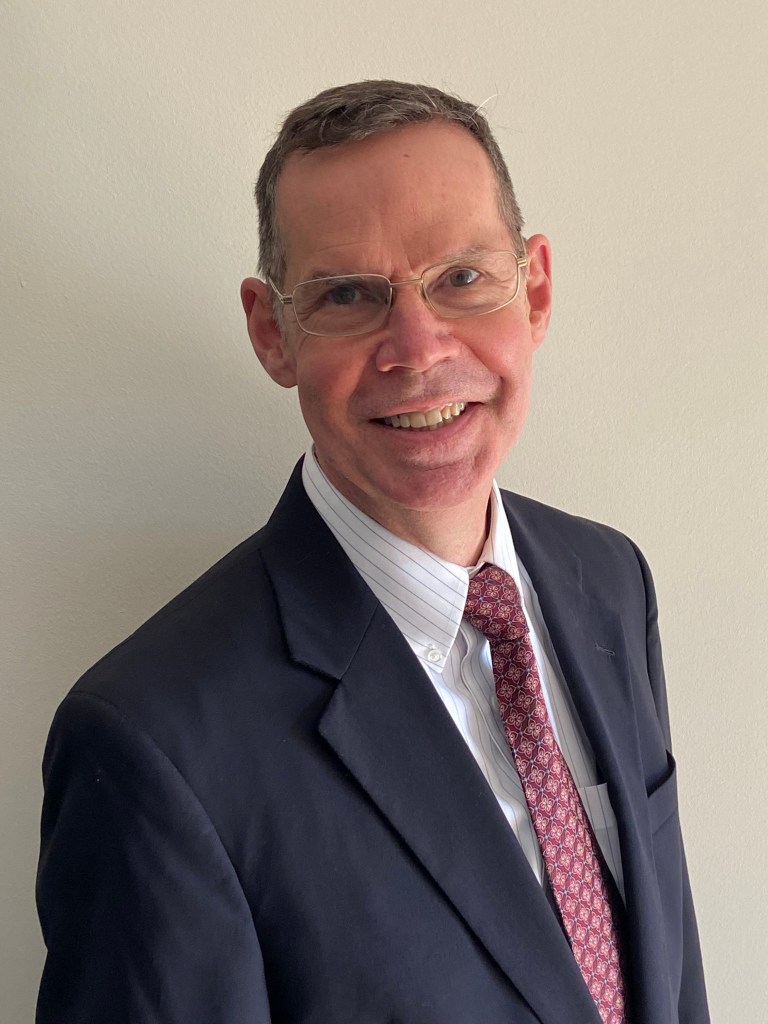
J. Lance Acree, Lt Col USAF (ret), PhD is a retired U.S. Air Force officer, instructor pilot, and training system architect who commanded the USAF C-17 flying training squadron. He holds three STEM degrees and a doctorate focused on constructive social change. His civilian career has included designing training systems for international aviation organizations and founding the board of a nonprofit focused on community wellbeing. He brings to ATF a disciplined understanding of how expertise gets built at scale — and a deep belief that the people who help others heal deserve the same quality of education and support as any other profession.
Meet Our National Advisors in Aquatic Rehabilitation, Safety, and Education
ATF’s advisory council represents the leading voices in aquatic rehabilitation science, water safety, and clinical education in the United States.

Bruce Becker, MD, MS, FACSM is a physician and internationally recognized researcher in aquatic rehabilitation. He has conducted and published foundational research on the physiological effects of aquatic immersion and therapy, contributed to clinical practice guidelines, and trained clinicians worldwide. His work forms part of the scientific foundation ATF’s programs are built on.

Thomas Lachocki, PhD, served as CEO of the National Swimming Pool Foundation, where he led national water safety research, drowning prevention initiatives, and aquatic health education for more than a decade. He brings deep expertise in population-level aquatic safety strategy and the institutional infrastructure needed to reduce aquatic injury and expand safe participation.

Emily Dunlap, PT, PhD, is a physical therapist, researcher, and educator specializing in aquatic rehabilitation and clinical training. She has contributed to the advancement of aquatic therapy through peer-reviewed research, professional development programs, and leadership in clinical education — bringing both scientific rigor and practical expertise to ATF’s advisory work.
News & Events
-
ATF Achieves 501(c)(3) Status and Candid Gold Seal of Transparency
Aquatic Therapy Foundation, Inc. (ATF) has received formal recognition as a tax-exempt public charity under Section 501(c)(3) of the Internal Revenue Code. In addition, ATF has earned Candid’s Gold Seal of Transparency, reflecting the organization’s commitment to accountability, governance integrity, and public disclosure of programmatic and financial information. View our Candid Gold profile. ATF was…
-
Why the Aquatic Therapy Foundation Was Born in 2026
byline: Andrea Salzman, Founder, CEO, Aquatic Therapy Foundation, Inc. Aquatic therapy works.That’s not the problem. The problem is that the systems around it don’t always keep up. Across healthcare, aquatic therapy shows up in hospitals, rehab clinics, community pools, and wellness programs—but the education, safety frameworks, and workforce preparation behind it are often inconsistent. Some…
News in Your Inbox
Subscribe to our ATF newsletter to receive updates.